+91-93049 95677
 +1 (888) 930-4995
 PARTNER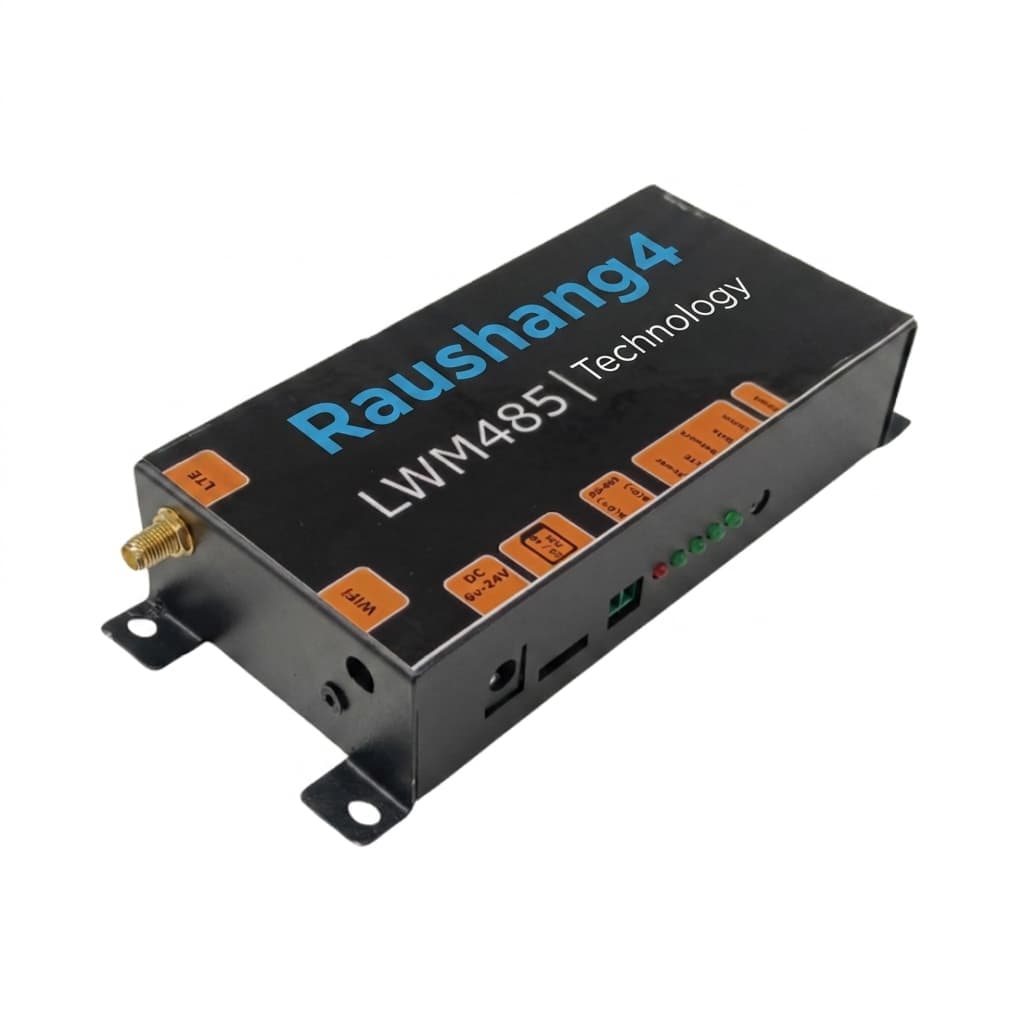
Agriculture is undergoing a technological revolution, and wireless networks are leading the charge. In large-scale farming, monitoring soil health, weather variables, and cattle health requires sensors scattered over square kilometers. Standard Wi-Fi and Bluetooth lack the range, while cellular connectivity is often too power-hungry and expensive. This is where LoRaWAN (Long Range Wide Area Network) shines.
What is LoRaWAN and Why Farm Owners Love It?
LoRaWAN is a low-power, wide-area networking protocol designed to wirelessly connect battery-operated things to the internet. It can transmit packets over distances of up to 15 kilometers in open areas, with batteries that can last up to 5 or 10 years without replacement.
Key Agricultural Applications
- Precision Irrigation: Sensors measure soil moisture levels at varying depths, transmitting data to a central valve controller to irrigate only when and where needed.
- Livestock Tracking: LoRa-equipped ear tags track cattle geolocation, monitor body temperatures, and trigger alerts if an animal leaves a geofenced pasture.
- Microclimate Monitoring: Weather stations measure wind speed, humidity, solar radiation, and leaf wetness to predict pest infestations and schedule crop spraying.
The Architecture: Sensors, Gateways, and Cloud
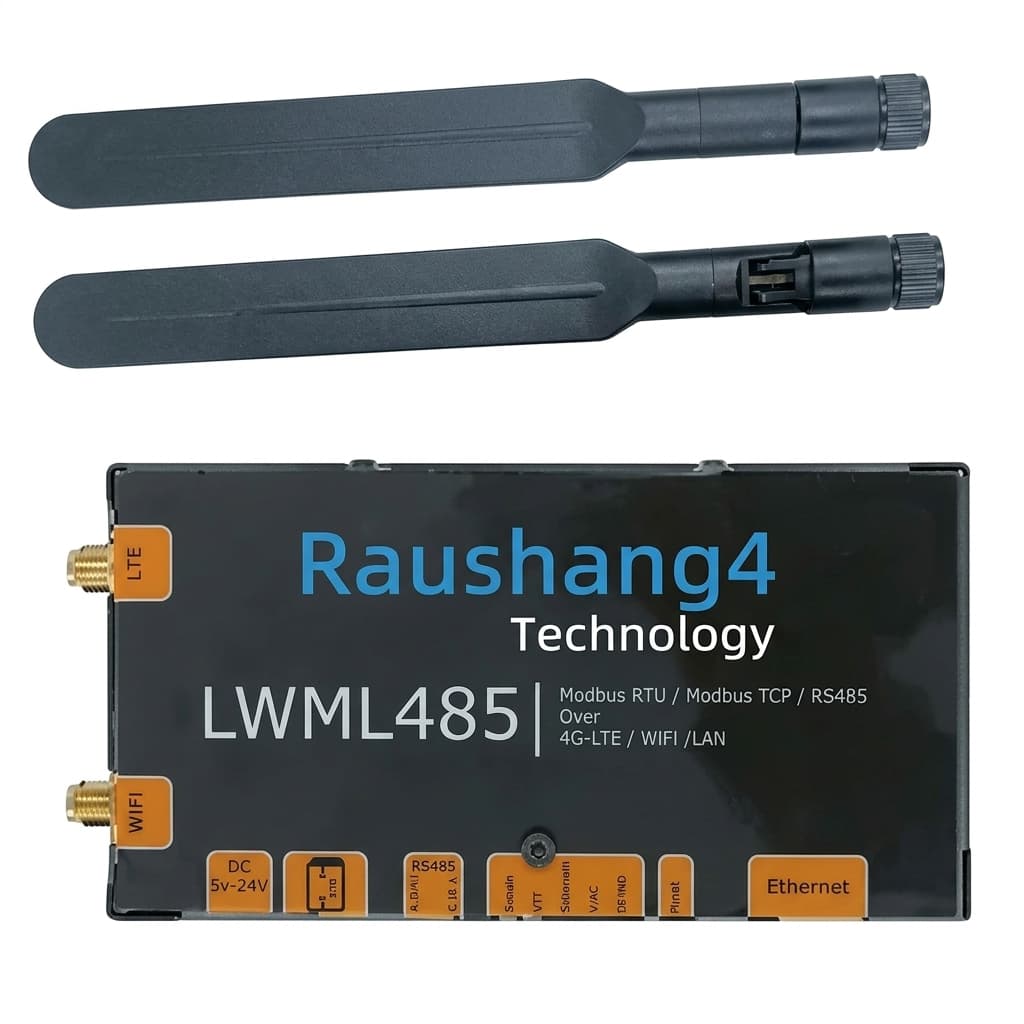
A smart agriculture setup consists of three main elements: 1. Sensors: Low-cost edge devices measuring physical variables. 2. Gateways: The base station receiver (such as our Raushang4 Technology LoRaWAN Gateways) that gathers data from thousands of local sensors and uploads it via 4G or Ethernet. 3. Cloud Server: The application dashboard where algorithms analyze values and present reports to farmers.
Conclusion
LoRaWAN represents a paradigm shift for agriculture. By offering long-range coverage with minimal infrastructure and operational costs, it enables farmers to optimize water use, reduce fertilizer waste, and boost crop yields, driving sustainability and profitability.