+91-93049 95677
 +1 (888) 930-4995
 PARTNER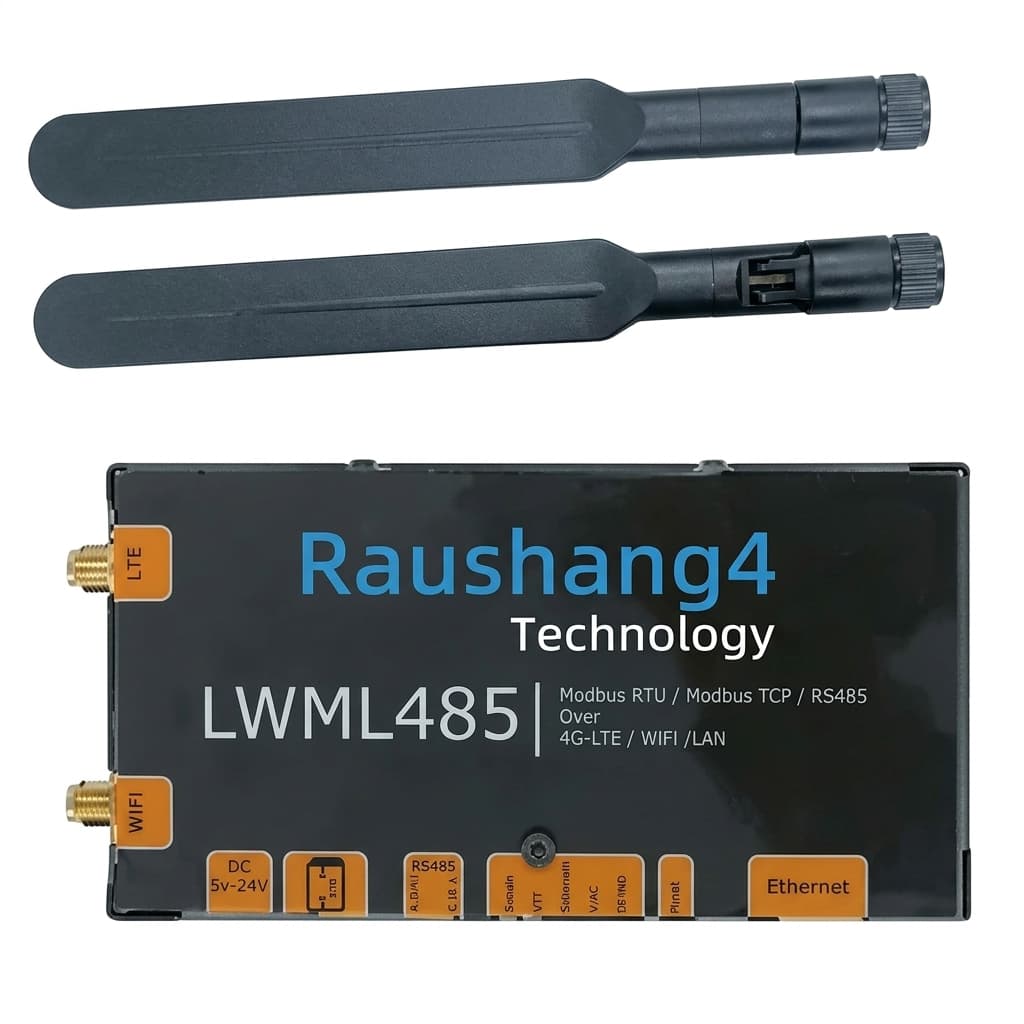
In the era of Industry 4.0, connectivity is the cornerstone of efficiency. Yet, one of the greatest challenges facing manufacturing plants and industrial facilities is the coexistence of legacy equipment and modern cloud infrastructure. Enter the Modbus Gateway—the unsung hero of industrial integration.
Understanding the Legacy Gap
For decades, Modbus has been the de facto standard protocol for industrial electronic devices. From PLCs (Programmable Logic Controllers) to smart sensors, Modbus Serial (RTU) has kept communication reliable and simple. However, these systems were never designed to directly speak to cloud databases or internet-based APIs. They are localized, serial, and isolated.
Modern enterprises, on the other hand, require real-time analytics, predictive maintenance, and global fleet management. This requires protocols like MQTT, HTTP, and TCP/IP, which operate over Ethernet or cellular networks. A Modbus Gateway acts as a smart translation bridge, converting Modbus RTU/ASCII serial signals into TCP/IP or MQTT protocols for instant cloud ingestion.
"Integrating legacy sensors with cloud applications can reduce operational downtime by up to 25% through real-time predictive alerts."
Key Benefits of Deploying Modbus Gateways
- Legacy Extension: Instead of replacing expensive machinery, a gateway extends the lifecycle of legacy equipment by exposing its data to modern IT systems.
- Real-time Visibility: Stream temperature, pressure, vibration, and energy metrics to centralized dashboards for continuous monitoring.
- Enhanced Security: Advanced gateways feature built-in encryption, firewall rules, and authentication to prevent unauthorized tampering of control networks.
- Edge Intelligence: Local scripting allows gateways to filter noise, buffer data during network outages, and trigger immediate local alarms.
Practical Use Case: Smart Energy Management
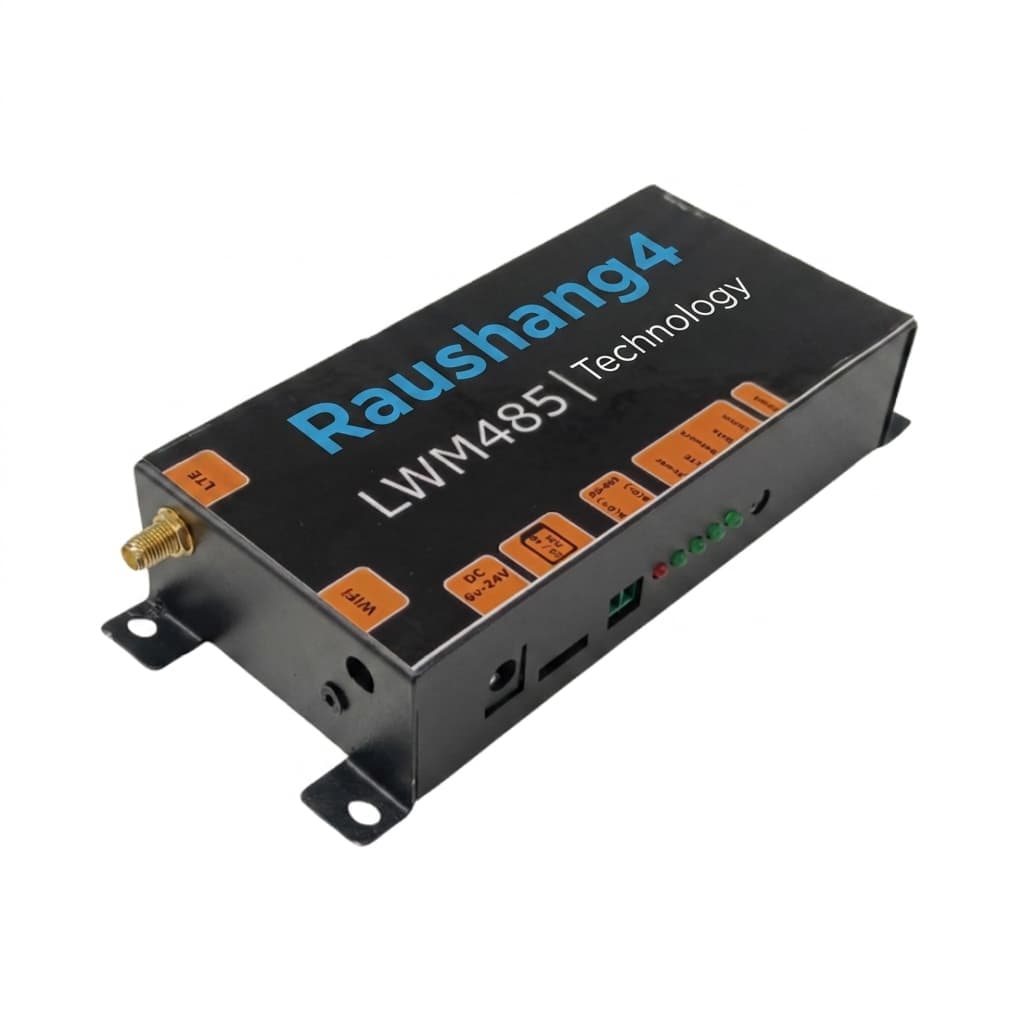
Consider a large textile factory with hundreds of legacy Modbus RTU power meters. By connecting these meters to a Raushang4 Technology 4G LTE Modbus Gateway, the factory can transmit energy consumption data directly to an AWS IoT Core database. Facility managers can visualize consumption spikes, optimize load distribution, and predict electrical failures before they cause costly production halts.
Conclusion
Upgrading an entire factory floor is rarely economically viable. Modbus gateways offer a highly cost-effective, scalable, and secure path to digital transformation. By bridging the gap between operational technology (OT) and information technology (IT), businesses can make data-driven decisions that immediately impact their bottom line.